Wireframe Prototypes
Structural layouts tested before detail is added
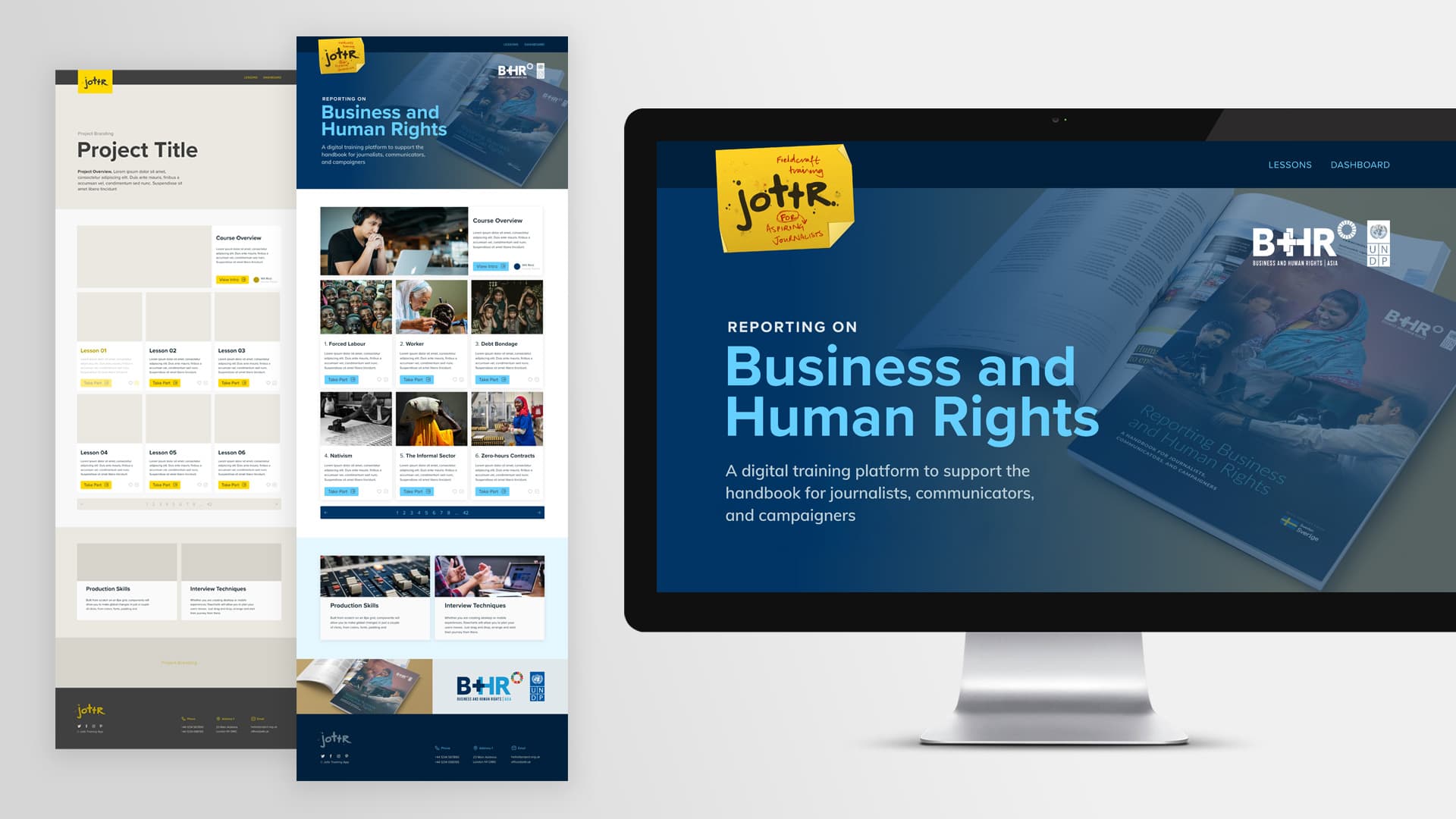
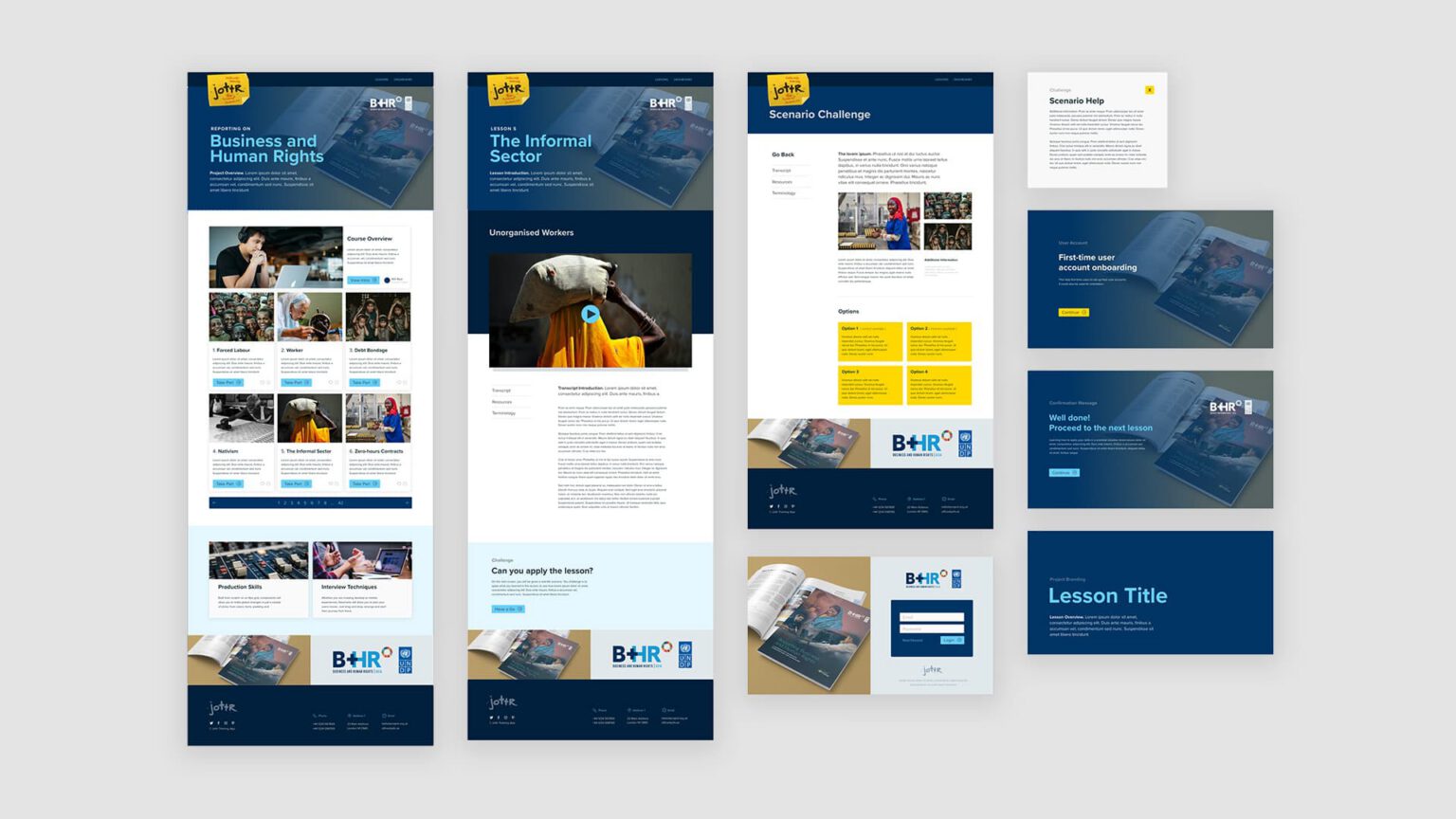
When I design interfaces, I start with wireframes and prototypes to map structure before adding detail. I use hierarchy and white space to guide attention and keep layouts uncluttered. Colours are applied with restraint, typography is chosen for tone and clarity, and design systems are built so components behave consistently. I apply principles of grouping, alignment, and balance to make interactions intuitive and predictable. The benefit is a product that feels clean, scalable, and easy to use, while staying consistent with the wider brand across digital and print.
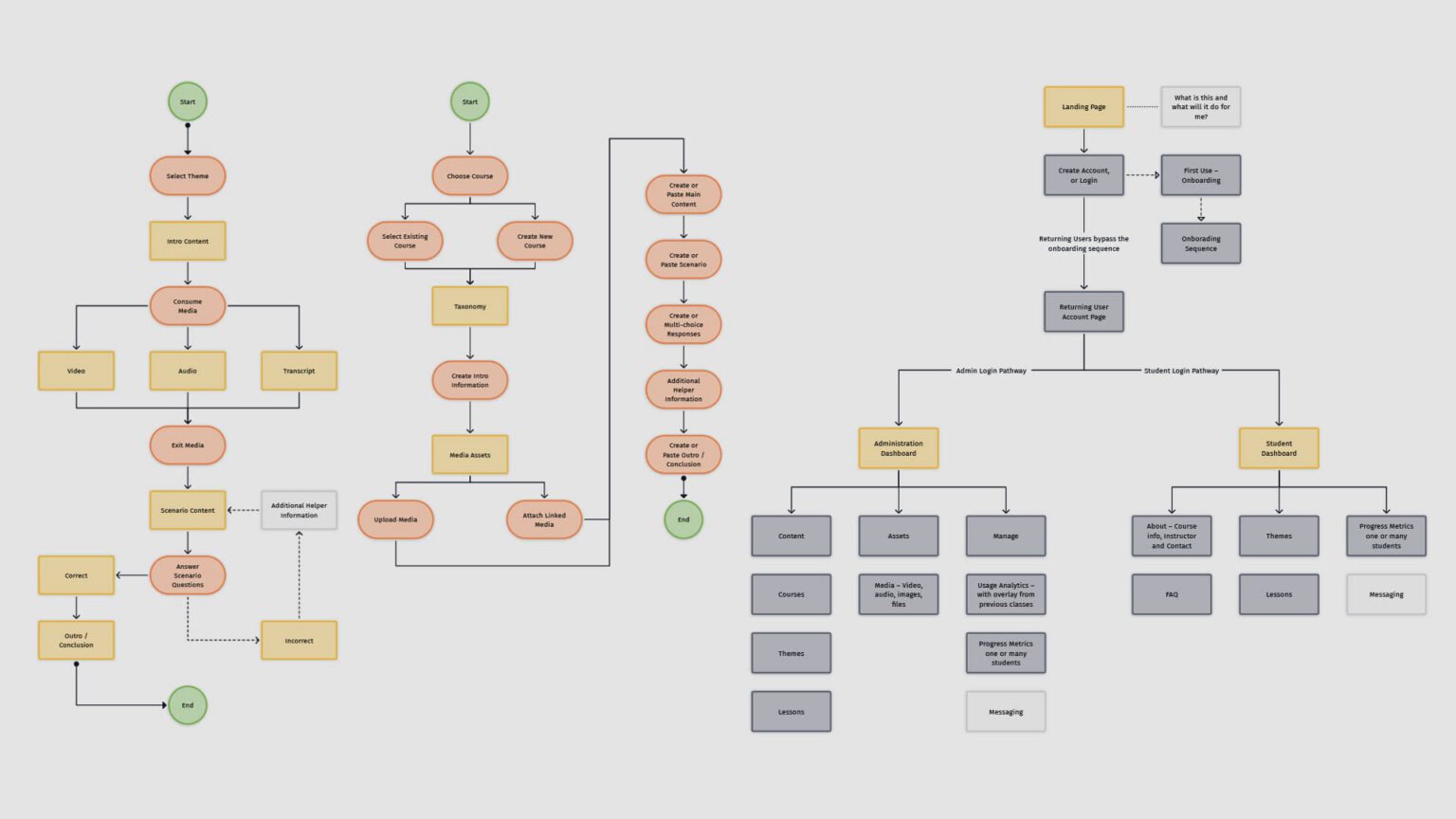
Interface design is built step by step. First, I map user flows and information architecture to establish how people move through the product. Then, I create wireframe prototypes to test the structure before adding detail. Finally, I establish consistent design patterns that tie into the wider visual identity, keeping the interface both clear to use and aligned with the brand.